
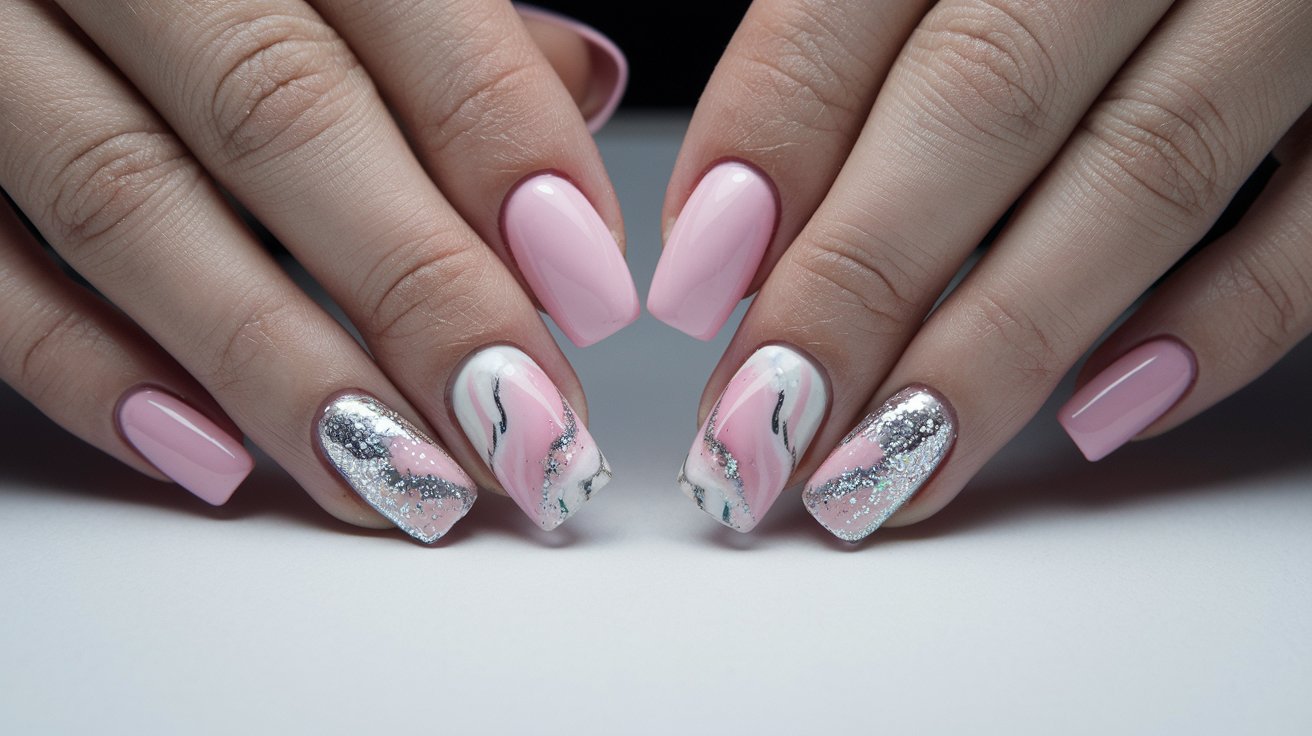
Hard gel nails are a revolutionary nail enhancement technique that combines the durability of acrylics with the natural appearance of regular gel polish. Unlike traditional gel polish that requires a base, hard gel creates structure and length while maintaining flexibility and shine. This advanced nail system has become increasingly popular in 2024-2025 across the United States for those seeking long-lasting, damage-resistant manicures.
Understanding Hard Gel Nails: The Complete Definition
Hard gel nails are a type of nail enhancement made from oligomers and monomers that cure under UV or LED light to create a strong, durable surface. Unlike regular gel polish that remains flexible after curing, hard gel creates a rigid structure that can extend natural nails and provide exceptional durability. The formula contains higher concentrations of cross-linking agents, making it ideal for clients with weak or brittle natural nails.
The key difference between hard gel and regular gel lies in their molecular structure and intended purpose. While regular gel polish is designed for color and shine over natural nails, hard gel serves as both a protective coating and structural enhancement. Professional nail technicians across the United States report that hard gel manicures can last 3-4 weeks without chipping, making them a premium choice for busy professionals.
Hard Gel vs Builder Gel: Key Differences Explained
Builder gel and hard gel are often confused, but they serve distinct purposes in professional nail services. Builder gel is typically thicker and designed specifically for creating length and dramatic extensions, while hard gel offers versatility for both natural nail strengthening and moderate extensions. In 2024, most US nail salons charge $45-75 for builder gel services compared to $35-60 for hard gel applications.
The application process differs significantly between these two products. Hard gel nails require precise layering techniques and typically use 2-3 coats for optimal results, while builder gel may require only one thick application. Professional nail technicians recommend hard gel for clients seeking natural-looking enhancements with superior durability compared to traditional gel polish systems.
Advantages of Choosing Hard Gel Nails
Hard gel nails offer numerous benefits that make them superior to traditional manicure options. The primary advantage is exceptional durability – these nails resist chipping, cracking, and peeling for weeks longer than regular gel polish. Additionally, hard gel allows natural nails to grow underneath without causing damage, making it an excellent choice for nail strengthening and repair.
Another significant benefit is the natural appearance and feel of hard gel manicures. Unlike acrylics, which can appear thick and artificial, hard gel maintains a natural nail thickness while providing superior strength. US nail professionals report 95% client satisfaction rates with hard gel services, citing improved nail health and reduced maintenance as key factors in customer loyalty.
Potential Disadvantages and Considerations
Despite their benefits, hard gel nails do have some limitations that potential clients should consider. The primary disadvantage is the removal process, which requires professional filing or soaking in acetone for 15-20 minutes. Unlike regular gel polish that can be easily removed at home, hard gel removal typically requires salon visits, adding to the overall maintenance cost.
Cost is another consideration, as hard gel manicures typically cost 20-30% more than regular gel services in most US markets. Additionally, the initial application process takes longer – usually 60-90 minutes compared to 45 minutes for regular gel polish. Some clients also report that hard gel nails feel slightly heavier than natural nails, though most adapt within a few days.
Hard Gel vs Acrylic: Comprehensive Comparison
The debate between hard gel vs acrylic remains relevant in 2024-2025, with each system offering distinct advantages. Hard gel provides a more natural appearance and flexibility, while acrylics offer maximum strength for extreme length extensions. Hard gel nails cure under UV/LED light and don’t produce strong chemical odors, making them preferable for clients with sensitivities.
In terms of longevity, both hard gel and acrylic systems can last 3-4 weeks with proper care. However, hard gel maintains better flexibility, reducing the risk of cracks that can damage natural nails. Professional nail technicians report that hard gel is easier to file and shape than acrylics, resulting in more comfortable wear and natural movement.
Types of Hard Gel Nails Available
Several types of hard gel nails are available in the current US market, each designed for specific client needs and preferences. Traditional clear hard gel provides maximum strength while maintaining natural nail appearance. Colored hard gels combine structure with built-in pigmentation, eliminating the need for separate color application and reducing service time.
Specialized formulations include flexible hard gels for active clients and extra-strength versions for those requiring maximum durability. Many brands now offer hard gel systems with added vitamins and strengthening agents, promoting natural nail health during wear. Professional nail salons typically carry 3-5 different hard gel formulations to accommodate various client preferences and nail conditions.
Hard Gel vs Dip Powder: Which System Wins?
The comparison between hard gel and dip powder reveals significant differences in application, durability, and maintenance requirements. Dip powder systems offer quick application and excellent color coverage, while hard gel nails provide superior flexibility and natural appearance. In 2024, US market research indicates that hard gel maintains its shine longer than dip powder, which can become dull after 2-3 weeks.
From a nail health perspective, hard gel is generally considered less damaging than dip powder systems. The gel formula allows for better nail bed breathability and easier removal without excessive filing. Professional nail technicians report that clients transitioning from dip powder to hard gel manicures experience improved natural nail condition within 2-3 months of regular use.
Professional Application Process and Timing
The professional application of hard gel nails follows a precise multi-step process that ensures optimal adhesion and longevity. Initial nail preparation includes cuticle care, filing, and gentle buffing of the natural nail surface. The hard gel is then applied in thin layers, with each layer cured under UV or LED light for 30-60 seconds depending on the specific product formulation.
Complete hard gel manicure services typically require 60-90 minutes in professional US salons, including preparation, application, and finishing touches. The process involves base coat application, 2-3 layers of hard gel, optional color application, and top coat sealing. Professional nail technicians emphasize that proper curing time between layers is essential for achieving the maximum durability that hard gel nails are known for.
Cost Analysis and Market Pricing in the United States
Hard gel nail pricing varies significantly across different US markets, with metropolitan areas typically charging premium rates. As of 2024-2025, the national average for professional hard gel manicures ranges from $35-65 for basic services, with premium salons charging $70-100 for specialized treatments. Additional services like nail art or extended length can increase costs by $15-30.
When comparing long-term value, hard gel nails often prove more economical than frequent regular manicures. With proper care, hard gel services last 3-4 weeks, compared to 1-2 weeks for traditional polish. Annual cost analysis shows that clients choosing hard gel manicures typically spend $400-600 annually compared to $500-800 for weekly regular manicure maintenance.
At-Home Hard Gel Application: Possibilities and Limitations
The growing interest in hard gel nails at home has led to increased availability of consumer-grade products and DIY kits. However, professional nail technicians emphasize that achieving salon-quality results requires proper equipment, including professional-grade UV/LED lamps and high-quality hard gel formulations. At-home kits typically cost $50-120 and include basic supplies for multiple applications.
Success with at-home hard gel application depends heavily on technique and experience. Common mistakes include improper nail preparation, uneven application, and inadequate curing time, which can result in premature lifting or chipping. Professional training or detailed tutorials are essential for achieving durable results, and many clients find that professional hard gel services provide better value and longevity than DIY attempts.
Proper Removal Techniques and Nail Health
Proper removal of hard gel nails is crucial for maintaining natural nail health and preventing damage. Professional removal involves filing the bulk of the hard gel followed by acetone soaking for 15-20 minutes to dissolve remaining product. This process should always be performed by trained professionals to avoid over-filing or chemical damage to the natural nail plate.
Attempting to peel or force off hard gel nails can cause significant damage, including nail thinning and surface irregularities. Professional nail salons typically charge $15-25 for proper hard gel removal, which includes post-removal nail conditioning treatments. Regular removal and reapplication every 3-4 weeks allows natural nails to remain healthy while enjoying the benefits of hard gel enhancement.
Maintaining Hard Gel Nails for Maximum Longevity
Proper maintenance significantly extends the life of hard gel nails and preserves their appearance throughout the wear period. Daily care includes wearing protective gloves during cleaning activities and applying cuticle oil to maintain nail bed health. Avoiding excessive heat exposure and harsh chemicals helps prevent premature lifting or discoloration of the hard gel surface.
Professional maintenance appointments every 2-3 weeks can address minor chips or growth gaps, extending the overall service life. Many US nail salons offer maintenance packages for hard gel clients, including minor repairs and cuticle care for $20-35. This proactive approach often doubles the time between full reapplications, making hard gel an even more economical choice for regular nail enhancement.
Related video about what are hard gel nails
This video complements the article information with a practical visual demonstration.
Important things to know about what are hard gel nails
What is the difference between gel and hard gel nails?
Regular gel polish is a flexible coating designed primarily for color and shine, while hard gel creates a rigid, structural enhancement that can extend natural nails. Hard gel cures harder and more durable than regular gel, lasting 3-4 weeks compared to 1-2 weeks for traditional gel polish. Hard gel also provides nail strengthening benefits that regular gel cannot offer.
What are the disadvantages of hard gel nails?
The main disadvantages include higher cost (20-30% more than regular gel), longer application time (60-90 minutes), and professional removal requirements. Hard gel removal requires acetone soaking and professional filing, making it less convenient than regular polish removal. Some clients also report initially feeling heavier weight compared to natural nails.
Is hard gel better than acrylic?
Hard gel offers several advantages over acrylic including more natural appearance, better flexibility, no strong chemical odors, and easier maintenance. However, acrylics may be better for extreme length extensions and are typically less expensive. Hard gel is generally considered healthier for natural nails due to its flexibility and easier removal process.
Which is better, dip or hard gel?
Hard gel typically provides better flexibility, natural appearance, and longer-lasting shine compared to dip powder. Hard gel allows for easier removal and is generally less damaging to natural nails. However, dip powder offers quicker application and may be more cost-effective in some markets. The choice depends on individual preferences for durability, appearance, and maintenance requirements.
Are hard gel nails bad for your natural nails?
When properly applied and removed by professionals, hard gel nails are not harmful to natural nails. In fact, they can provide protection and strengthening benefits while allowing natural nail growth underneath. Damage typically occurs from improper removal techniques or forced peeling. Regular professional maintenance and proper care actually promote natural nail health.
How long do hard gel nails last?
Professional hard gel nails typically last 3-4 weeks with proper care and maintenance. This longevity makes them more durable than regular gel polish (1-2 weeks) and comparable to acrylic systems. Factors affecting longevity include lifestyle, nail care routine, and professional application quality. With minor maintenance appointments, some clients extend wear time to 5-6 weeks.
| Key Aspect | Hard Gel Details | Primary Benefit |
|---|---|---|
| Durability | Lasts 3-4 weeks without chipping | Longer wear than regular gel |
| Appearance | Natural-looking, flexible finish | More natural than acrylics |
| Application | UV/LED cured, 60-90 minutes | Professional quality results |
| Cost | $35-65 average in US market | Cost-effective long-term |
| Nail Health | Protective and strengthening | Promotes natural nail growth |

