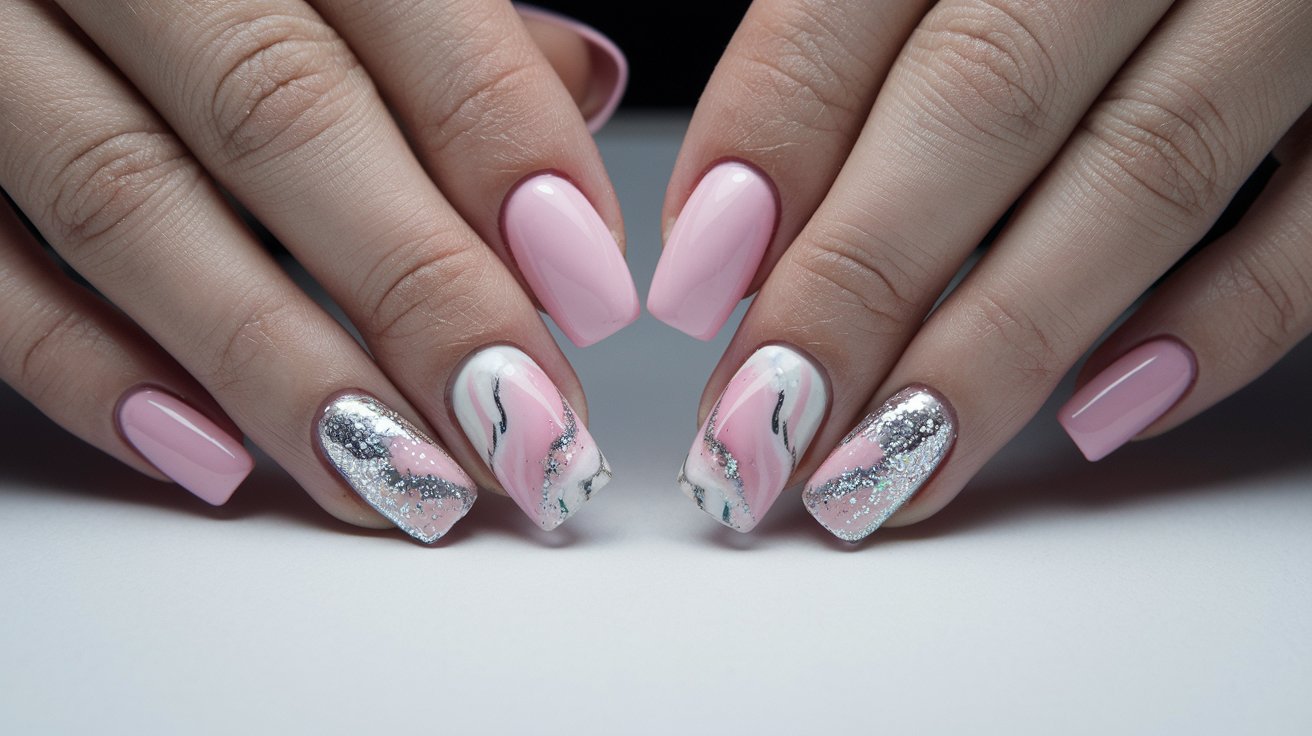
Builder gel nails are a revolutionary nail enhancement system that combines the durability of acrylic with the natural appearance of gel polish. This innovative technique uses a thick, viscous gel formula to build length and strength on natural nails, creating extensions or overlays that last 3-4 weeks. Unlike traditional gel polish, builder gel has a thicker consistency that allows nail technicians to sculpt and shape nails while providing superior strength and flexibility.
What Is Builder Gel? Understanding the Basics
Builder gel is a specialized nail product that sits between regular gel polish and hard gel in terms of viscosity and strength. This thick, self-leveling formula contains oligomers and photoinitiators that cure under LED or UV light, creating a durable nail enhancement. The gel formula is designed to build structure on natural nails, making it ideal for clients with weak, thin, or damaged nail beds who want length and strength without the heaviness of acrylic.
The key difference between builder gel and regular gel polish lies in the consistency and purpose. While gel polish is thin and designed purely for color, builder gel has a pudding-like texture that allows for structural building. This makes it perfect for creating nail extensions, repairing broken nails, or simply strengthening natural nails. In 2025, over 60% of nail salons in the United States offer builder gel services due to increasing client demand for natural-looking, durable nail enhancements.
Builder Gel vs Acrylic: Key Differences Explained
The comparison between builder gel vs acrylic is one of the most common questions in nail enhancement. Acrylic nails use a liquid monomer and powder polymer system that air-dries to create a hard surface, while builder gel cures under UV or LED light. Acrylic tends to be more rigid and can appear thicker, whereas builder gel offers more flexibility and a more natural appearance that closely mimics real nails.
Cost-wise, builder gel nails typically range from $50-$80 in the United States as of 2025, compared to acrylic nails which cost $35-$60. However, builder gel often lasts longer with less lifting and damage to natural nails. The application process for builder gel is also considered more pleasant, as it produces no strong chemical odors like acrylic and causes less damage to the surrounding cuticle area during application.
Durability and Longevity Comparison
Builder gel nails typically last 3-4 weeks with proper care, while acrylic nails can last 2-3 weeks before requiring a fill. The flexibility of builder gel makes it less prone to cracking and breaking, especially for clients who use their hands frequently. Studies from nail industry reports in 2024 show that builder gel has a 25% lower breakage rate compared to traditional acrylic enhancements.
Natural Nail Health Impact
When it comes to natural nail health, builder gel is generally considered gentler than acrylic. The removal process involves soaking in acetone for 15-20 minutes, compared to the aggressive filing often required for acrylic removal. This means less damage to the natural nail bed and cuticle area, making builder gel nails a preferred choice for clients concerned about long-term nail health.
How to Apply Builder Gel: Professional Application Process
The builder gel application process requires specific steps to ensure optimal adhesion and longevity. First, the natural nails are properly prepped with cuticle care, shaping, and dehydration using nail prep solutions. A base coat is applied and cured, followed by the builder gel in thin layers. Each layer must be cured under LED light for 30-60 seconds, depending on the lamp wattage and gel formula.
Professional nail technicians apply builder gel using specialized brushes that allow for precise placement and shaping. The gel is built up gradually, creating an apex (the highest point of the nail) for maximum strength. After curing, the nails are filed and shaped to the desired length and style. The process concludes with a top coat application and final curing, resulting in nails that are both beautiful and functional.
Essential Tools and Materials
Successful builder gel application requires specific tools including LED or UV lamps, various brush sizes, nail files ranging from 100-240 grit, cuticle pushers, and alcohol-based cleansers. Quality builder gel products from brands like Kokoist, Gelish, and OPI are essential for professional results. The investment in proper tools typically ranges from $200-$400 for a complete setup in 2025.
Step-by-Step Application Timeline
A complete builder gel nail service takes 90-120 minutes for a full set. Preparation takes 15-20 minutes, base application and curing requires 10 minutes, builder gel layering and curing takes 45-60 minutes, and finishing with filing, shaping, and top coat requires another 20-30 minutes. This timeline ensures each step is completed properly for maximum durability.
Benefits of Builder Gel Nails
Builder gel nails offer numerous advantages that make them increasingly popular among nail enthusiasts. The flexibility of the cured gel reduces the likelihood of cracking or breaking during daily activities. The natural appearance closely mimics real nails, making them suitable for professional environments where subtle nail enhancements are preferred. Additionally, builder gel can be applied over natural nails for strengthening without adding significant bulk.
The versatility of builder gel allows for various nail shapes and lengths, from natural-looking overlays to dramatic stiletto extensions. The product works well with nail art techniques, and the clear formula serves as an excellent base for gel polish applications. Many clients appreciate that builder gel nails feel lighter on the fingers compared to acrylic, making them more comfortable for extended wear.
Disadvantages and Considerations
While builder gel nails offer many benefits, there are some disadvantages to consider. The initial cost is typically higher than traditional gel polish or even acrylic nails. The application process requires specialized equipment and training, making it less accessible for at-home application. Additionally, builder gel requires UV or LED light exposure during application, which some clients may prefer to avoid.
The removal process for builder gel nails requires acetone soaking and can be time-consuming, typically taking 20-30 minutes in a professional setting. Some formulas may cause allergic reactions in sensitive individuals, and improper application can lead to lifting or air bubbles that compromise the nail’s appearance and durability.
Builder Gel Brands and Product Recommendations
The builder gel market in 2025 features several high-quality brands that professionals and consumers trust. Kokoist builder gels are renowned for their self-leveling properties and extensive shade range. Gelish Structure Gel offers excellent adhesion and flexibility, making it ideal for active clients. OPI GelColor Builder provides reliable performance with easy application techniques.
Newer brands like Nail Thoughts have gained popularity for their tinted builder gel formulas that eliminate the need for separate color applications. When selecting builder gel products, consider factors such as cure time, viscosity, color options, and compatibility with your existing nail system. Professional nail technicians often recommend starting with clear builder gel before experimenting with tinted or specialty formulas.
Builder Gel Maintenance and Aftercare
Proper maintenance is crucial for extending the life of builder gel nails and maintaining their appearance. Clients should apply cuticle oil daily and wear gloves when cleaning or doing manual work. Regular fill appointments every 2-3 weeks help maintain the nail’s structure and prevent lifting at the cuticle area.
At-home care for builder gel nails includes avoiding harsh chemicals, using acetone-free nail polish removers, and being gentle when using the nails as tools. Professional maintenance appointments typically cost $30-$50 in the United States and involve filing down growth, applying fresh builder gel to the regrowth area, and refinishing the entire nail surface.
Common Problems and Troubleshooting
The most common issue with builder gel nails is lifting, which occurs when the gel separates from the natural nail. This problem typically results from inadequate nail preparation, contamination of the nail surface, or applying the gel too thickly. Proper dehydration and primer application can prevent most lifting issues with builder gel applications.
Air bubbles in builder gel can occur when the product is applied too quickly or when the brush technique is improper. To avoid bubbles, work slowly and use a gentle patting motion rather than brush strokes. If chips or cracks occur in builder gel nails, they can often be repaired with a small amount of matching gel and proper curing, making them more repairable than traditional acrylic enhancements.
Related video about what are builder gel nails
This video complements the article information with a practical visual demonstration.
FAQ – Common Questions
What is the difference between gel and builder gel?
Builder gel has a thicker, more viscous consistency compared to regular gel polish, allowing it to build structure and length on nails. While regular gel polish is thin and purely decorative, builder gel can create extensions, strengthen weak nails, and provide a foundation for nail art. Builder gel also has stronger adhesion properties and longer wear time than traditional gel polish.
Is builder gel good for your nails?
Builder gel is generally good for your nails when applied and removed properly. It provides protection and strength to natural nails while being more flexible than acrylic. The formula allows nails to breathe better than some alternatives, and the gentle removal process causes less damage to the natural nail bed compared to harder enhancement systems.
What are the disadvantages of builder gel?
The main disadvantages of builder gel include higher initial cost ($50-$80), longer application time (90-120 minutes), need for professional equipment like LED lamps, and potential for allergic reactions. The removal process requires acetone soaking and can be time-consuming, and improper application may lead to lifting or air bubbles.
Is builder gel better than acrylic?
Builder gel offers several advantages over acrylic including more natural appearance, greater flexibility, no strong chemical odors during application, and gentler removal process. However, acrylic may be more suitable for clients wanting maximum strength or lower cost options. The choice depends on individual preferences, lifestyle, and nail goals.
How long do builder gel nails last?
Builder gel nails typically last 3-4 weeks with proper application and care. This is longer than regular gel polish (1-2 weeks) and comparable to acrylic nails. Factors affecting longevity include nail preparation, application technique, daily activities, and proper aftercare including cuticle oil use and wearing gloves during cleaning.
Can you do builder gel nails at home?
While possible, builder gel application at home requires significant investment in proper equipment including LED/UV lamps, professional-grade gels, and various tools. The technique requires practice and skill to achieve salon-quality results. Most beginners should start with professional application to understand the process before attempting at-home application.
| Key Aspect | Builder Gel Details | Benefits |
|---|---|---|
| Durability | 3-4 weeks wear time | Long-lasting, fewer appointments |
| Flexibility | 25% lower breakage vs acrylic | Natural movement, crack resistance |
| Application Time | 90-120 minutes full set | Professional results, custom shaping |
| Cost Range | $50-$80 initial application | Value for longevity and nail health |
| Maintenance | Fill every 2-3 weeks ($30-$50) | Easy upkeep, repairable chips |