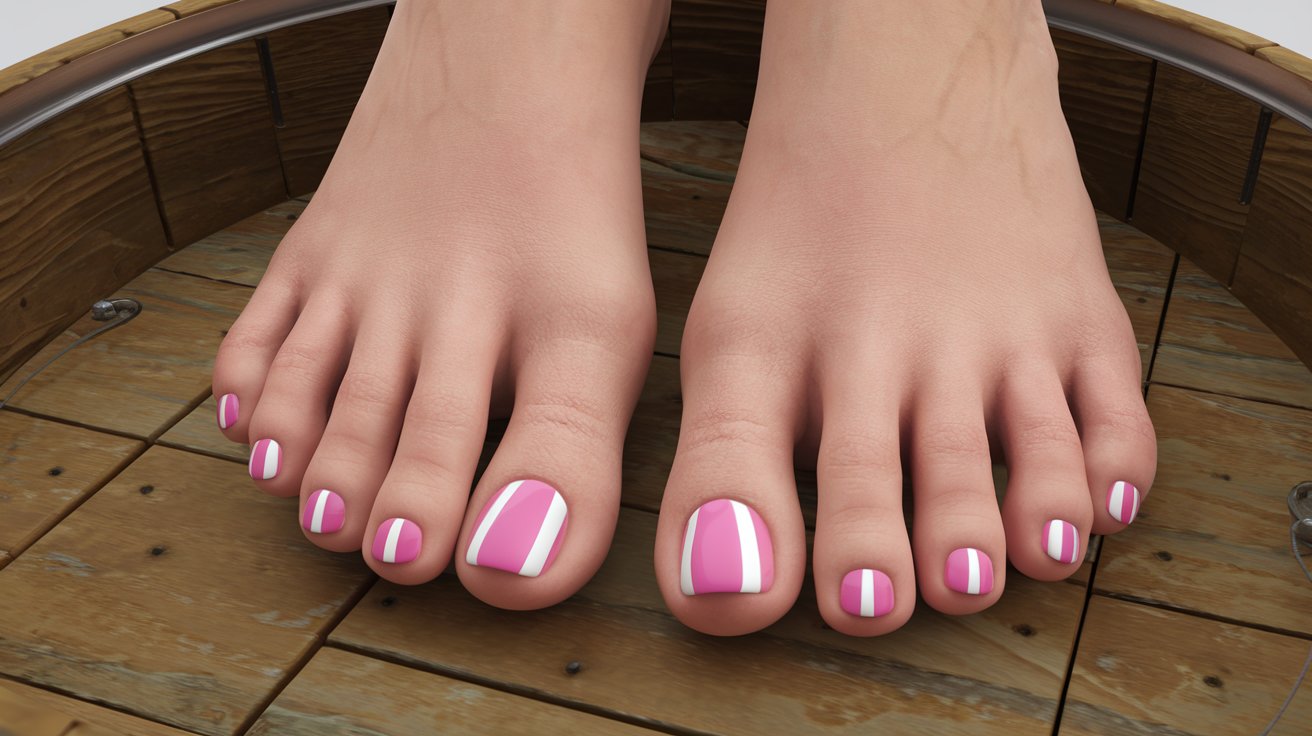
The frequency of manicure and pedicure appointments depends on several factors including nail growth rate, lifestyle, and personal preferences. Most professionals recommend getting a manicure every 2-3 weeks and a pedicure every 4-6 weeks for optimal nail health and appearance. Understanding these timing guidelines helps maintain healthy, attractive nails while maximizing the benefits of professional nail care services.
Understanding Professional Manicure and Pedicure Services
Professional manicure and pedicure services go beyond simple nail polish application, offering comprehensive nail and skin care treatments. A complete manicure includes cuticle care, nail shaping, exfoliation, moisturizing, and polish application, while pedicures focus on foot health, callus removal, and toenail maintenance. These professional treatments provide superior results compared to at-home care due to specialized tools, products, and expertise that ensure proper nail hygiene and health.
In 2024-2025, the American nail salon industry has evolved to include advanced treatments like gel manicures, dip powder applications, and therapeutic pedicures with medical-grade equipment. Professional nail technicians undergo extensive training to identify potential nail and foot health issues, making regular appointments beneficial for both aesthetic and health reasons. The investment in professional nail care typically ranges from $25-60 for manicures and $35-80 for pedicures across the United States.
How Often Should You Get a Manicure
The ideal manicure frequency varies based on individual nail growth patterns, with most people benefiting from appointments every 2-3 weeks. Natural nails typically grow 2-3 millimeters per month, making bi-weekly visits optimal for maintaining a polished appearance. Those who choose gel manicures can extend the interval to 3-4 weeks due to the longer-lasting nature of gel polish, while traditional polish may require more frequent touch-ups after 10-14 days.
Active individuals or those working with their hands extensively may need weekly manicure maintenance to keep nails looking professional. Office workers and those in client-facing roles often find that getting manicures every 2 weeks maintains the perfect balance between nail health and appearance. The key is monitoring your nail growth and polish wear to determine your personal optimal schedule for regular manicure appointments.
How Often Should You Get a Pedicure
Pedicures should typically be scheduled every 4-6 weeks to maintain healthy feet and toenails, as toenails grow slower than fingernails at approximately 1-2 millimeters per month. During summer months in the United States, many people increase pedicure frequency to every 3-4 weeks due to increased foot exposure in sandals and open-toe shoes. Regular pedicure appointments help prevent ingrown toenails, callus buildup, and fungal infections while keeping feet soft and attractive.
Individuals with specific foot conditions like diabetes, circulation issues, or recurring ingrown toenails may benefit from monthly pedicure sessions with licensed professionals trained in medical pedicure techniques. Athletes and those who spend significant time on their feet often require more frequent pedicures every 3-4 weeks to address increased callus formation and maintain foot health. The timing of pedicure appointments should align with seasonal activities and personal foot care needs.
Factors That Influence Manicure and Pedicure Frequency
Several key factors determine the optimal timing for your nail care appointments, making personalization essential for the best results. Understanding these variables helps create a maintenance schedule that works with your lifestyle while promoting nail and foot health.
Nail Growth Rate and Personal Biology
Individual nail growth rates vary significantly, with factors like age, genetics, nutrition, and hormones affecting how quickly nails grow. Younger individuals typically experience faster nail growth, requiring more frequent manicures, while nail growth slows with age. Pregnancy and certain medications can accelerate nail growth, necessitating adjustments to your regular appointment schedule. Monitoring your personal nail growth pattern over several months helps establish the ideal timing for maintenance appointments.
Lifestyle and Daily Activities
Your daily activities significantly impact how often you should schedule manicure and pedicure appointments. Individuals with desk jobs may maintain manicures longer than those working in manual labor or food service industries. Similarly, athletes or those frequently in pools may need more regular nail care due to exposure to harsh conditions. Lifestyle considerations include hand washing frequency, use of cleaning chemicals, and participation in activities that stress nails and cuticles.
Seasonal Considerations in the United States
Seasonal changes across the United States significantly influence nail care frequency needs. During winter months, dry air and indoor heating can cause cuticles to become dry and nails to become brittle, potentially requiring more frequent moisturizing treatments. Summer brings increased foot exposure and swimming pool chemicals that can affect polish longevity and nail health. Many Americans adjust their pedicure schedule to align with sandal season, increasing frequency from May through September.
Nail Health and Specific Conditions
Pre-existing nail conditions or health concerns may require modified appointment frequencies for optimal care. Individuals with weak, brittle nails might benefit from weekly strengthening treatments, while those prone to ingrown toenails should maintain regular pedicure schedules. Fungal infections, psoriasis, or other medical conditions affecting nails require consultation with both healthcare providers and experienced nail technicians to determine appropriate professional treatment intervals.
Benefits of Regular Manicure and Pedicure Maintenance
Regular nail care appointments provide numerous health and aesthetic benefits beyond just attractive nails. Professional manicures help prevent hangnails, cuticle infections, and nail breakage through proper maintenance techniques and high-quality products. The exfoliation and moisturizing components of these treatments improve skin texture and circulation, contributing to overall hand and foot health.
Consistent pedicure maintenance prevents serious foot problems like ingrown toenails, callus overgrowth, and fungal infections that can become painful and costly to treat. Professional nail technicians are trained to identify early signs of nail disorders and can recommend appropriate care or refer clients to medical professionals when necessary. The stress-relief and self-care aspects of regular appointments contribute to mental well-being, making nail care appointments an investment in both physical and emotional health.
Different Polish Types and Their Maintenance Schedules
The type of nail polish or enhancement you choose significantly impacts appointment frequency and maintenance requirements. Understanding these differences helps optimize your nail care schedule and budget.
Traditional Polish and Gel Manicures
Traditional nail polish typically lasts 7-10 days before showing significant wear, making bi-weekly manicure appointments ideal for maintaining a fresh appearance. Gel manicures offer superior durability, lasting 2-3 weeks without chipping, allowing for extended intervals between appointments. However, gel removal requires professional techniques to prevent nail damage, making it important to maintain regular salon visits even if the polish appears intact.
Acrylic Nails and Dip Powder Systems
Acrylic nail systems require maintenance appointments every 2-3 weeks to fill in growth areas and maintain structural integrity. Dip powder applications can last 3-4 weeks but require professional removal and reapplication to prevent nail damage. These enhancement systems demand consistent professional maintenance to preserve nail health and prevent lifting or breakage that can lead to natural nail damage.
Post-Treatment Care and Maintenance
Proper aftercare following manicure and pedicure appointments extends the life of your treatments and maintains nail health between visits. Immediately after service, avoid water contact for 2-4 hours to allow polish to fully cure, especially important for gel and traditional polish applications. Daily moisturizing of hands, feet, and cuticles helps prevent dryness and extends the professional treatment benefits.
Wearing gloves during cleaning activities and applying cuticle oil regularly are essential maintenance practices that preserve your investment in professional nail care. Avoiding harsh chemicals, excessive heat exposure, and using nails as tools helps prevent premature wear and damage. Following these simple aftercare guidelines can extend the time between appointments while maintaining optimal nail and skin health.
Cost Considerations and Budgeting for Regular Nail Care
Budgeting for regular manicure and pedicure appointments requires understanding average costs across different regions in the United States. Basic manicures range from $25-45 in most areas, while specialty treatments like gel or acrylic can cost $40-70. Pedicures typically range from $35-60 for basic services, with luxury treatments reaching $80-120. Planning for appointments every 2-3 weeks for manicures and 4-6 weeks for pedicures helps establish realistic monthly nail care budgets.
Many salons offer package deals or loyalty programs that reduce per-visit costs for regular clients. Investing in quality professional care often proves more economical than frequent at-home products and tools, especially when considering the health benefits and professional results achieved. Setting aside $80-150 monthly for comprehensive nail care represents a reasonable investment for most individuals prioritizing nail health and appearance in their personal care routine.
Related video about how often to get manicure and pedicure
This video complements the article information with a practical visual demonstration.
What you should know
How often should I get manicures and pedicures?
Most professionals recommend getting a manicure every 2-3 weeks and a pedicure every 4-6 weeks. This timing aligns with natural nail growth rates and maintains optimal appearance and health. Individual factors like lifestyle, nail growth speed, and polish type may require adjustments to this schedule.
How long should you wait between manicures?
Wait 2-3 weeks between manicures for traditional polish and natural nails. Gel manicures can extend to 3-4 weeks, while those with acrylic enhancements should maintain 2-3 week intervals. Your nail growth rate and polish wear patterns will help determine your optimal timing.
Is it OK to get a pedicure every 2 weeks?
Getting pedicures every 2 weeks is generally safe and beneficial, especially during summer months or for those with active lifestyles. However, every 4-6 weeks is typically sufficient for most people. More frequent pedicures may be beneficial for individuals with specific foot conditions or those wanting to maintain perfectly groomed feet year-round.
Are pedicures good for your feet?
Yes, professional pedicures are excellent for foot health when performed properly. They help prevent ingrown toenails, remove calluses safely, improve circulation, and allow early detection of foot problems. Regular pedicures maintain proper nail length and shape while keeping feet clean and moisturized.
How often should I get my nails done with gel polish?
Gel polish manicures should be refreshed every 3-4 weeks to maintain optimal appearance and nail health. While gel can last longer than traditional polish, regular appointments ensure proper removal, nail assessment, and cuticle care that prevents damage and maintains nail strength.
How often should I get a pedicure to avoid ingrown toenails?
To prevent ingrown toenails, schedule pedicures every 4-6 weeks consistently. Professional nail technicians properly trim and shape toenails, reducing ingrown nail risk. Those prone to this condition may benefit from monthly appointments and should ensure their technician has experience with proper nail cutting techniques.
| Service Type | Recommended Frequency | Key Benefits |
|---|---|---|
| Traditional Manicure | Every 2-3 weeks | Maintains polish appearance and cuticle health |
| Gel Manicure | Every 3-4 weeks | Long-lasting wear with nail strengthening |
| Regular Pedicure | Every 4-6 weeks | Prevents ingrown nails and maintains foot health |
| Acrylic Maintenance | Every 2-3 weeks | Prevents lifting and maintains nail integrity |