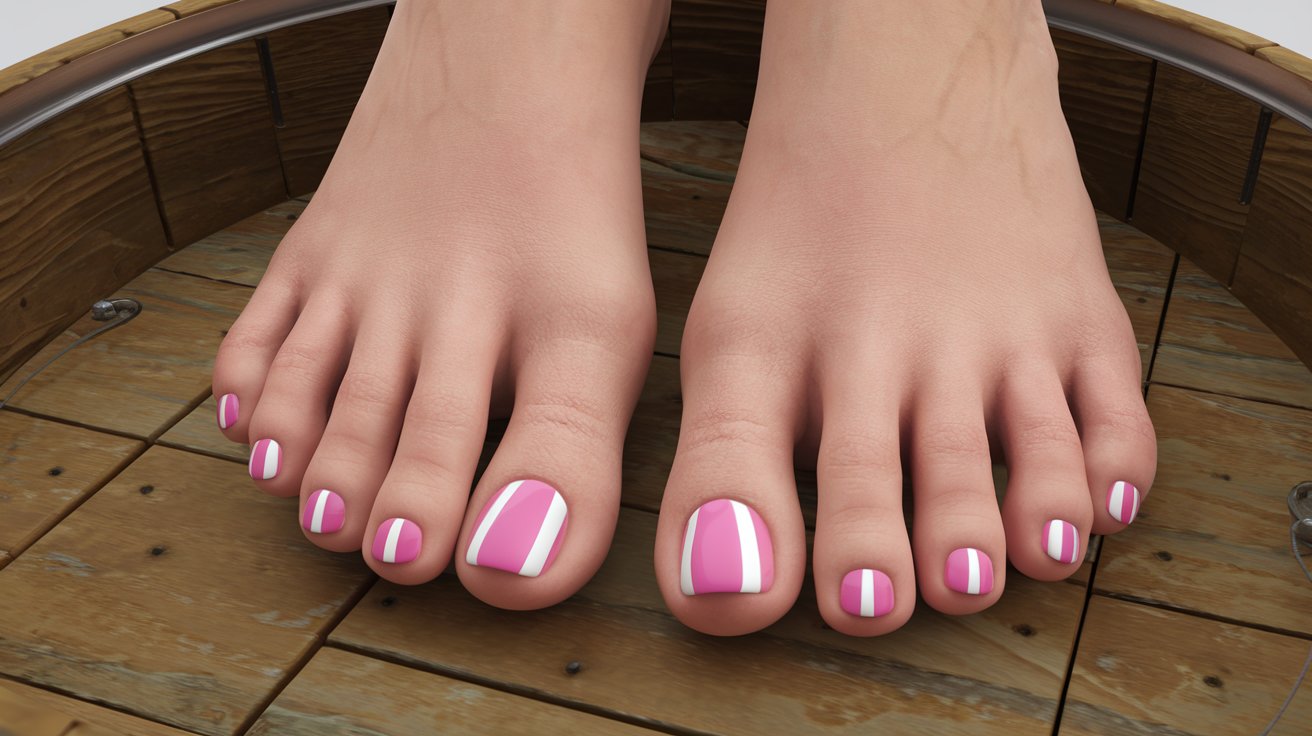
Most people should get a pedicure every 4-6 weeks for optimal foot health and appearance. However, the ideal frequency depends on several factors including your lifestyle, foot condition, and seasonal needs. Regular pedicures not only maintain beautiful feet but also prevent common issues like ingrown toenails, calluses, and fungal infections that affect millions of Americans annually.
Optimal Frequency for Different Foot Types
The standard pedicure frequency of 4-6 weeks works for most people, but individual needs vary significantly. Those with normal, healthy feet can comfortably maintain this schedule, allowing enough time for natural nail growth while preventing overgrowth of cuticles and calluses. However, people with specific foot conditions may need more frequent attention.
Individuals with diabetes, circulation problems, or fungal infections should consult their healthcare provider about appropriate pedicure frequency. These conditions often require more frequent professional foot care, sometimes every 2-3 weeks, to prevent complications. Athletic individuals or those who spend long hours on their feet may also benefit from more frequent treatments to address increased wear and tear.
Active Lifestyle Considerations
People with active lifestyles typically need pedicures every 3-4 weeks due to increased foot stress and faster callus formation. Runners, dancers, and athletes subject their feet to repetitive motion and pressure, leading to quicker development of rough skin and potential nail issues. Regular professional care helps prevent injuries and maintains foot health for optimal performance.
Sedentary Lifestyle Adjustments
Those with sedentary lifestyles may extend their pedicure schedule to every 6-8 weeks, as their feet experience less daily stress. However, reduced circulation from prolonged sitting can lead to other issues like poor nail growth and increased susceptibility to fungal infections, making regular professional foot care still important for overall health maintenance.
Seasonal Pedicure Frequency Adjustments
Summer months typically require more frequent pedicures, with many Americans scheduling appointments every 3-4 weeks. Open-toe shoes, sandals, and barefoot activities expose feet to more scrutiny and environmental factors. Increased sweating in summer heat also creates conditions favorable for bacterial and fungal growth, making regular professional cleaning essential.
Winter pedicure schedules can often be extended to every 6-8 weeks since feet remain covered most of the time. However, winter foot care shouldn’t be neglected, as dry indoor heating and cold weather can cause cracking and excessive dryness. Many podiatrists recommend maintaining consistent year-round care rather than seasonal adjustments for optimal foot health.
Polish Longevity and Touch-Up Timing
Regular nail polish typically lasts 1-2 weeks before showing significant chips or wear, while gel polish can maintain its appearance for 2-3 weeks. However, the polish longevity shouldn’t dictate your entire pedicure schedule. Professional foot care involves much more than cosmetic polish application, including cuticle care, callus removal, and nail trimming.
For those who prioritize polish appearance, consider polish touch-ups between full pedicure appointments. Many salons offer quick polish changes or repairs that can extend the time between comprehensive treatments. This approach allows you to maintain attractive nails while ensuring proper foot health through regular professional care every 4-6 weeks.
Gel Polish Considerations
Gel polish requires professional removal every 2-3 weeks to prevent nail damage, but this doesn’t necessarily require a full pedicure service. Many clients opt for gel removal and reapplication between comprehensive pedicures, maintaining healthy nails while extending service intervals. This approach balances cost-effectiveness with nail health.
Taking Breaks from Polish
Nail health experts recommend taking breaks from polish every 3-4 months to allow nails to breathe and recover. During these polish-free periods, maintain regular pedicure schedules focusing on nail and cuticle health, moisturizing treatments, and callus management. This practice prevents yellowing, thinning, and other polish-related nail damage.
Health Benefits of Regular Pedicure Schedule
Maintaining a consistent pedicure schedule provides numerous health benefits beyond aesthetic appeal. Regular professional foot care helps prevent ingrown toenails, which affect approximately 18% of Americans annually according to 2024 podiatric studies. Early detection and treatment of foot problems during routine pedicures can prevent more serious complications requiring medical intervention.
Circulation improvement through massage and soaking during pedicures benefits overall foot health, particularly important for individuals with diabetes or peripheral artery disease. Regular exfoliation removes dead skin cells that can harbor bacteria and fungi, reducing infection risks. Professional nail trimming also prevents overgrowth that can lead to painful ingrown nails or walking difficulties.
Signs You Need a Pedicure Sooner
Several indicators suggest you should schedule a pedicure before your regular appointment time. Visible calluses, rough heel patches, or overgrown cuticles indicate your feet need professional attention. Pain or discomfort while walking, particularly around the nail area, may signal developing ingrown toenails requiring immediate care.
Fungal infection symptoms like discoloration, thickening, or unusual odor warrant prompt professional evaluation. Many nail salons can identify early signs of foot problems and recommend appropriate treatment or referral to medical professionals. Don’t wait for scheduled appointments if you notice concerning changes in your foot or nail health.
Emergency Pedicure Situations
Certain situations require immediate pedicure attention regardless of your regular schedule. These include painful ingrown toenails, visible fungal infections, severe callus buildup causing discomfort, or injuries to the nail area. Quick professional intervention can prevent complications and promote faster healing.
Preventive Care Indicators
Watch for early warning signs that indicate you should schedule your next pedicure appointment. These include slight cuticle overgrowth, beginning callus formation, or minor nail irregularities. Addressing these issues early prevents them from developing into more serious problems requiring intensive treatment.
Cost-Effective Pedicure Scheduling
Balancing pedicure costs with foot health needs requires strategic planning. The average pedicure in the United States ranges from $35-65 in 2024, making frequent treatments a significant expense for many individuals. Consider package deals or loyalty programs offered by salons to reduce per-service costs while maintaining regular care.
Some people alternate between professional and home care to extend time between salon visits. Basic maintenance like nail trimming, moisturizing, and gentle exfoliation can be performed at home, while professional services focus on more intensive treatments like callus removal and cuticle care. This hybrid approach maintains foot health while managing expenses effectively.
Choosing the Right Pedicure Type
Different pedicure types may influence your scheduling frequency and overall foot health outcomes. Traditional wet pedicures involve soaking feet in water, which some podiatrists recommend limiting due to infection risks from improperly sanitized equipment. Dry pedicures, gaining popularity in 2024, eliminate water soaking while providing thorough cleaning and care.
Medical pedicures performed by trained professionals focus primarily on health rather than aesthetics, making them ideal for people with diabetes, circulation problems, or other health conditions. These specialized treatments may require more frequent scheduling but provide superior health monitoring and preventive care compared to standard salon services.
Related video about how often to get a pedicure
This video complements the article information with a practical visual demonstration.
FAQ – Common Questions
How much should I tip for a $40 pedicure?
For a $40 pedicure, a standard tip ranges from $8-12 (20-30%) depending on service quality and location. In major U.S. cities, 25% is becoming more common, while smaller towns typically expect 18-20%. Consider tipping more for exceptional service or if you received additional treatments beyond the basic package.
Are pedicures good for your feet?
Yes, regular pedicures provide significant health benefits when performed in clean, professional environments. They help prevent ingrown toenails, remove calluses and dead skin, improve circulation through massage, and allow early detection of foot problems. However, choose reputable salons with proper sanitation practices to avoid infection risks.
What is the healthiest pedicure to get?
Medical or dry pedicures are considered the healthiest options as they minimize infection risks by eliminating water soaking. These treatments focus on nail health, callus removal, and proper foot care without using potentially contaminated foot baths. They’re particularly recommended for people with diabetes or compromised immune systems.
Is it good to take a break from pedicures?
Taking occasional breaks from pedicures can be beneficial, especially if you use nail polish regularly. A 2-4 week break every few months allows nails to recover from chemical exposure and prevents yellowing or thinning. However, maintain basic foot hygiene and moisturizing during breaks to preserve foot health.
How often should men get pedicures?
Men should follow the same general guidelines as women, getting pedicures every 4-6 weeks for optimal foot health. Active men or those with physically demanding jobs may need more frequent care every 3-4 weeks. Many men focus on health benefits rather than polish, making medical or basic maintenance pedicures popular choices.
How often should you get a pedicure in winter?
Winter pedicure frequency can be reduced to every 6-8 weeks since feet are typically covered and experience less environmental stress. However, dry indoor heating can cause cracking and skin problems, so don’t neglect winter foot care entirely. Focus on moisturizing treatments during colder months to prevent dryness and cracking.
| Lifestyle Factor | Recommended Frequency | Key Benefits |
|---|---|---|
| Normal Activity Level | Every 4-6 weeks | Maintains healthy nails and prevents calluses |
| High Activity/Athletic | Every 3-4 weeks | Prevents injury and manages increased wear |
| Summer Season | Every 3-4 weeks | Maintains appearance for open-toe shoes |
| Winter Season | Every 6-8 weeks | Prevents dryness and maintains health |
| Health Conditions | Every 2-4 weeks | Prevents complications and monitors health |