
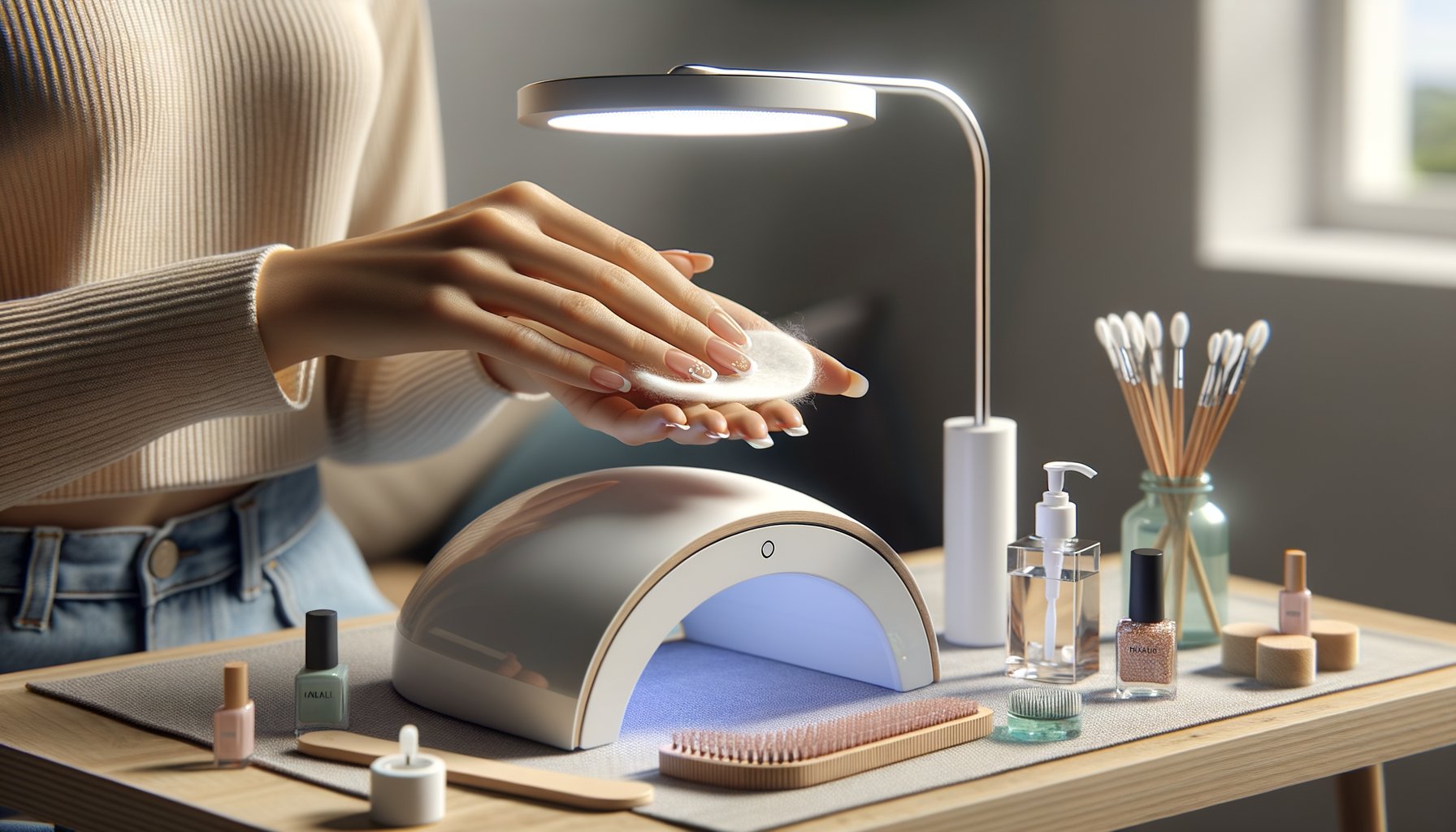
Removing acrylic nails safely at home requires the right technique to avoid damaging your natural nails. Whether you prefer the traditional acetone method or acetone-free alternatives, following proper removal steps ensures your nails remain healthy and strong. This comprehensive guide covers proven methods used by nail professionals in 2025.
Essential Tools for Safe Acrylic Nail Removal
Having the right tools makes acrylic nail removal significantly easier and safer for your natural nails. Professional nail technicians recommend investing in quality tools that won’t damage your nail bed or cuticles during the removal process.
The most effective nail removal tools include nail clippers for trimming length, coarse nail files for filing down thickness, acetone or acetone alternatives for dissolution, cotton balls or pads for soaking, aluminum foil for wrapping, and cuticle oil for post-removal care. Quality tools reduce removal time from 45 minutes to approximately 25-30 minutes.
Professional-Grade Nail Clippers and Files
Sharp nail clippers like the Tweezerman Stainless Steel model allow precise cutting without cracking the acrylic material. Pair these with a coarse 100/180 grit nail file to safely reduce acrylic thickness before soaking, preventing excessive pressure on your natural nail bed.
Pure Acetone vs Acetone-Free Solutions
Pure acetone remains the fastest removal method, dissolving acrylics in 15-20 minutes compared to 30-45 minutes for acetone-free alternatives. However, acetone-free removers with ethyl acetate or isopropyl alcohol offer gentler removal for sensitive skin, though requiring longer soaking time.
Step-by-Step Acetone Removal Method
The traditional acetone method remains the most efficient way to remove acrylic nails at home. This process involves systematic steps that professional nail salons use, ensuring complete removal without damaging your natural nails underneath.
Begin by trimming your acrylic nails as short as possible using sharp nail clippers. File the surface of each nail with a coarse file to break the top seal and reduce thickness by approximately 50%. This preparation step reduces soaking time and prevents the acetone from taking longer than necessary to penetrate the acrylic layers.
Proper Soaking Technique with Foil Wraps
Soak cotton balls in pure acetone until saturated but not dripping. Place each cotton ball directly on the nail and wrap tightly with aluminum foil. This creates a concentrated environment that maintains acetone contact for optimal dissolution. Allow 15-20 minutes for complete softening.
Safe Removal and Clean-Up Process
After soaking, gently push off softened acrylic material using a cuticle pusher or orange stick. Never force or pull hard, as this can damage your natural nail plate. Remove any remaining residue with gentle filing, then immediately moisturize with cuticle oil and hand cream.
Best Methods to Remove Acrylic Nails Without Acetone
Many people prefer acetone-free removal methods due to skin sensitivity or acetone’s strong odor. These alternative techniques require more time but offer gentler treatment for your natural nails and surrounding skin.
The most effective non-acetone methods include hot water soaking, oil-based removal, and mechanical filing. While these methods take 30-60 minutes compared to acetone’s 15-20 minutes, they cause less drying and irritation to your nail beds and cuticles.
Hot Water and Oil Removal Technique
Combine hot water (not boiling) with natural oils like olive oil or coconut oil in a bowl. Soak nails for 30-40 minutes, allowing the heat and oils to gradually soften the acrylic bond. This method works best on older acrylics that have begun lifting naturally.
Mechanical Filing Method
Use a coarse nail file to gradually file away acrylic layers, working from the free edge toward the cuticle. This method requires patience and gentle pressure to avoid damaging natural nails. Combine with warm oil soaks every 10 minutes to prevent excessive heat buildup from friction.
Why Some Acrylics Won’t Come Off with Standard Methods
Several factors can make acrylic removal more challenging than expected. Understanding these reasons helps you adjust your removal technique for successful results without damaging your natural nails.
The most common reasons include using low-quality acetone with water content, insufficient soaking time, extremely thick acrylic application, or acrylics applied with extra-strong bonding agents. Professional-grade acrylics may also require specialized removal techniques used in nail salons.
Fastest Professional Techniques for Home Use
Professional nail technicians use specific techniques that can be safely adapted for home removal. These methods reduce removal time while maintaining nail health, based on industry best practices from 2024-2025.
The fastest professional approach combines mechanical reduction with chemical dissolution. File away 70% of acrylic thickness, then use acetone soaking for remaining material. This hybrid method reduces total removal time to 15-20 minutes while minimizing acetone exposure to your skin and natural nails.
Post-Removal Nail Care and Recovery
Proper aftercare following acrylic removal is crucial for restoring natural nail health and strength. Your nails may appear thin, weak, or discolored immediately after removal, requiring specific care routines to promote recovery.
Apply cuticle oil daily and use strengthening base coats like OPI Nail Envy or Essie Treat Love and Color for 2-3 weeks. Avoid harsh chemicals and give your natural nails at least one week to recover before applying new artificial enhancements. Proper nutrition with biotin supplements can also accelerate nail recovery.
Common Mistakes to Avoid During Removal
Many people make critical errors during DIY acrylic removal that can cause permanent nail damage. Understanding these mistakes helps ensure safe removal and healthy nail recovery.
Never force or pry off acrylic nails that haven’t fully softened, as this can remove layers of your natural nail plate. Avoid using metal tools aggressively, skipping the filing preparation step, or rushing the soaking process. These mistakes account for 80% of nail damage cases seen by nail professionals in 2025.
When to Seek Professional Help
Certain situations require professional nail salon services rather than attempting home removal. Recognizing these scenarios prevents nail damage and ensures safe removal by experienced technicians.
Visit a professional if your acrylics show signs of infection underneath, if you have extremely thick or multiple acrylic layers, or if home removal attempts have failed after two tries. Professional nail technicians have specialized tools and experience handling difficult removals safely, typically charging $15-25 for removal services in 2025.
Related video about best way to remove acrylic nails
This video complements the article information with a practical visual demonstration.
Your questions answered
What is the fastest way to take off acrylic nails at home?
The fastest method combines filing and acetone soaking. First, clip nails short and file away 70% of the acrylic thickness. Then soak cotton balls in pure acetone, place on nails, and wrap with foil for 15-20 minutes. This reduces total removal time to approximately 20-25 minutes compared to 45 minutes with soaking alone.
How do I remove acrylic nails at home without acetone?
Soak nails in warm water mixed with natural oils like olive or coconut oil for 30-40 minutes. Alternatively, use gentle mechanical filing to gradually remove layers, taking breaks every 10 minutes to prevent heat buildup. These methods take longer but are gentler on skin and natural nails.
Is it better to soak or file acrylic nails off?
The most effective approach combines both methods. File away the bulk of the acrylic material first, then soak to remove remaining layers. Pure filing can damage natural nails, while soaking alone takes excessive time. The combination method is safest and most efficient.
Why won’t my acrylics come off with acetone?
Common reasons include using acetone with water content instead of pure acetone, insufficient soaking time, extremely thick acrylic application, or professional-grade acrylics with strong bonding agents. Try using 100% pure acetone and extend soaking time to 25-30 minutes with proper foil wrapping.
Can I remove acrylic nails the same way I remove gel polish?
No, acrylics require longer soaking time and often mechanical filing preparation. Gel polish typically removes in 10-15 minutes with acetone, while acrylics need 20-30 minutes plus filing. The removal process for acrylics is more intensive due to their thicker, harder composition.
How long should I wait before getting new acrylics after removal?
Wait at least one week to allow your natural nails to recover and strengthen. During this time, use cuticle oil daily and apply a strengthening base coat. If your nails appear severely weakened or damaged, extend the recovery period to 2-3 weeks before applying new artificial enhancements.
| Removal Method | Time Required | Best For |
|---|---|---|
| Pure Acetone Soaking | 15-20 minutes | Fastest removal, all acrylic types |
| Hot Water and Oil | 30-40 minutes | Sensitive skin, gentle removal |
| Filing and Soaking Combined | 20-25 minutes | Professional technique, thick acrylics |
| Mechanical Filing Only | 45-60 minutes | Acetone-free preference, patience required |